Patients, not criminals 

​Interesting and thought provoking article from Piers Morgan on the current opiate situation in the USA. However I’m in two minds here. The illegal sales and addiction and over prescribing absolutely have to be dealt with effectively. 

However….by taking a play to the popular media stance the US government has sadly started treating genuine chronic pain sufferers like criminals. I speak regularly with a large number of people in the US, mainly with RA, but also other chronic pain conditions. There is no cure. There is no way out. 

The US media has in my opinion completely misunderstood and misrepresented the difference between dependence and addiction, just calling all opioid users addicts. 

I rely (am dependent upon) two opioids to allow me to achieve some level of comfort daily. Tramadol for regular daily use and oxycodone for breakthrough pain (when tramadol is not enough).  I am in no way addicted to either of these drugs – to be honest I don’t see the attraction. Tramadol just dulls my pain with no other effect at all, and if I on rare occasions need more than two doses of oxycodone a day (well under what my prescription allows) I feel very nauseous and slightly dizzy, neither of which are a pleasurable experience. I literally have to make the choice between turning down the pain and feeling sick or putting up with the pain and wanting to scream. Hobsons choice. 
Maybe I’m doing it wrong(!), maybe I don’t have an addictive personality, maybe my body metabolises drugs more efficiently, but I certainly have never gotten high (before oxycodone I used morphine but the nausea turned to violent sickness after one dose which is not amusing). 

Am I dependent on these drugs? Absolutely.  I have multiple joint damage, cervical and lumbar spine problems all from RA. Should I have to sit here in agony because some idiot wants to get high using the same substance? Absolutely not. Leaving patients in pain when there is an effective drug available is inhumane. 

Yet that’s exactly what’s happening to my friends in the US. I’m talking about doctors and consultants refusing to prescribe pain relief. Patients being sent to specialist pain clinics. Middle aged housewives being asked to take urine tests every four weeks before they can get their next prescription. Disabled patients having to travel distances in discomfort just to get to the nearest person who will prescribe them pain relief. 

Yes, the massive over use of opiates needs addressing, but there must be some way to not make patients feel like criminals just for wanting some relief.

As usual thoughts are completely my own and do not proffer medical advice. 
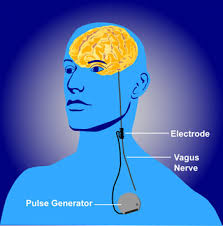
Bioelectronics – my new favourite word! 

​I’d had a heads up from an RA group (thank you guys) that on an episode of the BBC’s Trust Me I’m A Doctor yesterday they were covering a ‘possible cure for RA’.  I was a little sceptical but hit the record button and have just watched it through. 

The discussion was looking at the as yet not widely tested Vagal Nerve Stimulator. The item was actually much more informative than I was expecting (call me cynical!), they opened by saying “RA & MS are serious autoimmune conditions”, which I loved because unfortunately RA is so often underplayed. 

I won’t go into the science, partly because I’d get confused and mainly because the wonderful BBC have posted it online word for word – the link can be found here

I’ve seen previous brief articles on this subject but I hadn’t realised the science has moved to the stage of being ready for large scale trials, which if initial results are borne out has fantastic potential. (Of 17 patients in the original trial two thirds have achieved clinical remission). 

Pending results of the next stage of trials this device could be available to patients in Europe in just four years time, and in five years for the US. Of course it can’t heal previous damage, but for those whom DMARDs and Biologics have failed, or who are suffering severe side effects and high infection risk, this is a real new hope. 

This is incredibly exciting, four years is really incredibly close. Although at present this device works on the TNF cells, there are hopes it will be adapted to act on others too.  Further research is ongoing to test what other diseases, such as MS, can also be controlled by these devices. 

Bioelectronics is my new favourite word. As always, fingers metaphorically crossed! 💙

As always opinions are mine, I’m not & never will offer medical advice. 

The Unexpected Outrageousness 

I find myself thinking on the big stuff this afternoon, a mixture of a few friends recent story of illness and a slightly rose-tinted memory of carefree days before all the adult stuff came along and stole the freedom. I don’t mean I’d change anything, marriages, lovers, friends, & family have all come, and some have gone on or melted into faded snapshots of another time, all an essential part of me in their way.

I just had a moments hunger for that freedom we feel at say, 17 or 22 when you are still far too young to have your shit together, but gladly still too young to notice. The world is yours, the years lie ahead to be filled with anything you can imagine and love comes easily and quickly without doubts and worries beyond tonight. I don’t think we ever feel again as free as we do in those early adult years, though perhaps it is only felt so deeply with hindsight, viewed with sepia tones.

I am blessed to have a few very close friends that I would literally trust with anything. Some are newer by comparison, but some go back to those earlier memories of late late nights, too much wine, lazy Sundays, passionate conversation and laughter that cramped you over with a pleasurable ache.

The paths we’ve followed since have been meandering and varied, I’ve seen careers grow and change, babies born and come to early adulthood, and loving relationships grow beautifully strong, or be ended by death, neglect or ennui. All of these changes, the loss, the grief, the growth and the joy are what you expect, life moves on and we accept and learn to roll with the punches. In the same way perhaps the loss of a pet helps prepare a young child for grief, the early teenage relationships and heartbreak are preparation for the pleasurable hell that is serious dating.

Nothing prepares you for serious or chronic illness. Certainly at 17 or 22 I never imagined that I or one of my friends would end up being sick. Properly medical hospital type sick. As it happens I have my own illnesses, and a beautiful friend has been sent far harder trials.

We met today. I was trying to describe or capture just for a moment the beauty that exists in being able to sit and laugh, really laugh with her at the whole damned medical process, the tests, the letters, the constant appointments, the drugs, the morbidity and the side effects, the reduced life expectancy, the medical dictionary your mind becomes in your relevant field, and the phrase that came was ‘we were laughing at the unexpected outrageousness of the roads we travel’.

The Unexpected Outrageousness.

Sometimes a phrase can just capture a feeling. Being serious and sad can sometimes have it’s moments when you’re facing the reality of the fragility of life head on, but what’s far more important and appropriate is laughter.

Yes, life has become bloody outrageous, the kind of outrage that makes you want to punch the earth and scream at the sky. And instead by reaching deep inside for the shared humour that says f*ck this, for the ridiculous medical farce life can become, you find that 17, that 22, and laughter cramps you again with that pleasurable ache. May we live forever.

Facet Joint Injections – the Low Down! 

Am currently laying on a hospital trolley post procedure, so I thought I may as well lay this out here for anyone else who is facing the option, or just likes my ramblings 🙂 

My back pain is literally disabling. It’s because of my back pain that I can’t walk, and either use crutches over short distances or my scooter for longer. The last time I tried walking without my crutches was over a year ago, and I was in tears of agony after a very short time. The pain starts in my outer left hip, then sets fire to my lumbar spine which is where the actual mechanical damage is. Using crutches keeps weight off my left leg, so stops this process. However I’m constantly in pain in my back, standing hurts, sitting hurts, etc.  That’s not even a moan, I am so used to this now it just is. 

So the damage. My L5/S1 disc is prolapsed (herniated),  the two discs below that are completely dehydrated. This is known as Degenerative Disc Disease, DDD essentially means my lower lumbar spine is bone on bone. And that’s the bit that hurts! 

So today as a day patient I have just received two sets of facet joint injections.  In simple terms the facet joints join the vertebrae together, they contain synovial fluid, and they become inflamed,  just as any other joint can  with RA.  Is this caused by RA? Opinions do vary. However the disc degeneration is known to not only be more common in RA patients, but to progress more quickly.  And I don’t believe in coincidences, my back pain started about two months after my first RA symptoms. It would seem strange to me if the two weren’t linked, and my orthopaedic consultant said YES. Good enough for me. 

Once the local had been injected (small ouch) the consultant worked closely with a radiographer who was taking almost continuous xrays so she could direct the four separate injections in obliquely to exactly the right spots of my spine. I could see the xrays on the screen beside me which I  found fascinating, but I’d recommend turning  away if you’re squeamish!

Did it hurt? Yes. Each time the needle got near the affected joints. I kicked the table I was laying on at one point, but I  managed to stay still and not swear out loud, which I’m calling a major win!

Half an hour on a bed then discharge. They advise having someone drive you and stay with you in case of adverse effects. I know different people react differently to medication.  Having had this done today I’d happily drive myself there and back if there’s a next time. 

As it was my amazing Dad drove up from Wiltshire to take me, bless him! Thanks Dad 🙂 

Prognosis? Apparently it can take up to  two weeks to know if this has worked. The options are – it gets better, nothing changes, it gets worse. No guarantees in any direction.  I’m keeping in mind that I’m generally steroid resistant, but as this is applied directly to the problem as it were it may be very different. I hope so. So why go ahead with no guarantee of an outcome? 

Lots of reasons. Mainly boiling down to life’s too short. If there’s a chance of long term pain relief I’ll take it please. 

If you’re looking for further reading Spine Health is a site I have found really clear and helpful (no affiliation). 

Edit – as I check this for the usual typos before publishing it’s about four hours post procedure, and I’m just about to pop some tramadol. Just the usual pain level at this time. 

*As always these are simply my personal experience and opinions and should never be taken as medical advice. 

When less becomes more

I realised this week that I’ve been blogging about RD for over a year! So much has happened in that time, the blog I wrote this week last year, Living in Limbo, was about finding myself homeless, things were certainly very up in the air and nothing felt solid or stable.

I’m very grateful to have had some amazing support since then, I’m settled in my little bungalow with my cats and feel on a much more even keel. Constant change is unsettling, especially when it’s not because of choices we’ve made.

I’d say my key word for the past twelve months has been ‘acceptance’. It’s been a long process but it’s definitely the fulcrum around which my improving mental health resolves… I can feel a whole separate blog there 🙂

It’s often the simple things that can resonate with us the most. A conversation with my psychotherapist a few months ago is a great example, I’d been telling her how I kept looking ahead and just seeing no end, no way out of feeling ill and frustrated and trapped and out of control. She said

‘everything changes – from your pain levels to the weather’

and although it didn’t help immediately as I was having a low day it stuck in my mind, and she’s absolutely right.

Things do change, they will change again, the trick I’ve since found is to try to live more in the moment, enjoy each hour, each day, each small success – looking ahead is actually counter productive, especially when it feels bleak.

Depression is horrid, I’ve had it for over four years now, and of course it’s often common for people to start suffering post diagnosis, which is hardly surprising. But I honestly believe with a combination of meds and talking therapies it’s absolutely possible to enjoy better days!

The second simple thing that resonated was even more basic, but I strongly believe it’s worth sharing.

Change that ‘why me? ‘ to ‘why not me?’

I know it sounds really simplistic but just churn it over for a while. Think about what it actually means. “Why me” implies some cosmic force has said ahh yes you, you need RD! Isn’t it much more likely that it is just down to a random combination of genetics and environment? The simple fact is that it’s not personal!

RA has literally turned my life upside down this past year, I first lost my health, then consequently my home, my job, etc etc BUT…. It has over the same period made me completely reassess my priorities, my way of life, and I’m now starting to work out what it is I really want.

I’m not there yet and wouldn’t pretend to be, but boy it feels good to have had the breathing space. I’ve been forced to step off the treadmill, to stop, take my time, breathe! And the ‘worst’ happened and you know what? Not only have I survived but there is still joy in my life, and in being alive, I’ve just have to look a little harder and in different places. Meditation has helped hugely. I’m more grounded, I’m more peaceful, my life is simpler and calmer, and this enables me to focus on self care and my hope that I will be able to return to some kind of contributing employment in the future.

Yes, of course RA limits what I can do and when – it probably always will, but I will not let it limit who I want to be. You too will find a way, I promise 💙

image

Painsomnia, it can be beaten!

Speak to anyone with chronic illness and they’ll know exactly what painsomnia is.  It’s night after night of not sleeping or very broken sleep, days of odd nap times that can last for hours so you wake up wondering where and who you are!

Unfortunately what this does is break down our sleep routine, leaving us with a mixed up body clock that has no idea of the time and is unable to differentiate between day and night.  I’ve had some of my most awake and alert hours when the rest of the world is asleep.

After about four years of insomnia which then turned into painsomnia I honestly thought I was screwed.  There was no way of putting this right again, this was just the way I roll now. And then I attended a Pain Self Management Programme at my local hospital.  It’s run by a team of physio, nurses and counsellors.  And for the first time they have me an inkling of hope that I could beat this.

They repeated many times “it’s simply down to sleep hygiene”. And I’m gobsmacked this is working, but it is.  So I wanted to share.  I know how many of my online RD friends suffer with poor sleep, and it makes us feel worse in many ways. So, here’s what has worked for me…..

(Just bear in mind these are my tips, and although I’ve pulled from what I’ve learned on the course this is definitely not hospital or medical advice)

1. Set a regular bedtime.  I now get into bed at around 11pm pm each night.  Not to sleep, but to relax.

2. Put down the phone! I don’t allow myself on my phone or tablet after 11pm – it really does keep your brain over stimulated instead of allowing it to wind down.

3. Hide the clock.  Yes  I’m serious 🙂 Turn it away or remove it from the bedroom.  When we can’t sleep we constantly time check, which just gives us another thing to worry about “oh no I’ve only got 4-3-2 hours then the alarm goes off”  Familiar?

4. Ditch the sleeping tablets.  They help you drop off initially, they do not help you sleep. 

5. Ditch caffeine.  I drink decaff tea and coffee, but hadn’t given my diet coke habit a thought! I stopped drinking it two months ago, the difference has been very noticeable.

6. Get comfortable.  Really think about this.  I now have an arrangement of 6 normal pillows, one bolster and one wedge in my bed, but it supports my joints and it’s comfortable!

7. Stop napping in the day time.  Believe me I know how very hard this is.  And on flare days I chuck this out of the window.  But as a rule try and stay awake.  Take regular rest breaks instead of naps.

8. Use relaxation tapes or relaxing music once you’re in bed.  Make sure you’re breathing deeply and evenly.  Watch some relaxing TV if you want – this is about resting and winding down.

image

My TV and my stereo in the bedroom both have ‘sleep’ functions, so I can drift off to sleep, and they will turn themselves off, so no being woken by loud adverts or wasting electricity.

I kind of trick my psyche by saying I’m going to bed to relax and get comfortable – you can’t force sleep and trying is the worst thing you can do. 

What it’s really important to remember is that sleep patterns are a learned skill. What’s the first thing we train babies to do? Sleep at regular times.  It’s not something we instinctively know, we had to learn about bed times and waking up times.

So it can be relearned! It takes about two months to establish a regular sleep routine, so don’t expect overnight success.  I’m two months in and it’s already making a difference to how I feel during the day.  The fatigue is just a tiny bit more manageable. At the moment I’m just focusing on sleep times, I’m not worried about regular waking up times – one thing at a time, right?!

Have I been perfect every night? Hell no! But…. I’m carrying on.  A few nights ago I woke up, I had no idea what time it was as the clock was turned away. So I rolled over, got comfortable and used my breathing to relax again.  The night before this had worked and I went back to sleep.  This time no.  So I got up.  It was 4am, I made a cup of decaff, sat and looked at my phone for a while then got back into bed, where I drifted back off to sleep. I still had one completely sleepless night last week, but one is so much better than three or four.  Some nights I still sleep on the sofa, but – I sleep well, so I don’t let it worry me!

For me the biggest thing has been to stop stressing about not sleeping – it’s the most unhelpful thing you can do! And that’s particularly important during flares – I’ll say again these ‘rules’ do not apply during flares, do whatever you normally do to get through!

Interestingly one thing I have realised from being away recently is that actually my bed isn’t very comfortable. It’s too soft for me, which does not help my back. Hopefully I can replace this soon, it could be the final piece of the sleep puzzle 🙂

Gut Instinct? Mine says no…

I was browsing through my phone media, pondering a blog today on fatigue, and then this article popped up in front of my eyes.

image

Link is at the bottom of the page.

To those not familiar with the RA or indeed the autoimmune world this is one of those areas that immediately provokes lively conversation, and often dissenting views. It’s a marmite issue if you will 🙂

Leaky gut is a term that’s been floating around for years, often touted by people who think gluten is evil, we should refuse all meds, and we should probably all live on organic mung beans. Served in knitted yoghurt pots. It’s a nonsense term as of course the gut ‘leaks’, it’s designed to. How else would we absorb goodness/drugs etc into our bodies?!

I’m being slightly flippant here but you can probably guess which side of the fence I fall on. My rheumatologist tells me diet is irrelevant. My personal experience tells me so. My GP agrees – standard advice is that a healthy balanced diet is best, do not exclude food groups unless you have a medically diagnosed allergy, as it causes more harm than good.

There is no scientific evidence to prove diet affects RA in any way.  Yet. I do keep an open mind. Honestly! However….

I’m still very dubious. I just don’t believe the answer is this simple. Bearing in mind this research has been targeted to ‘prove’ a theory already held by the researchers (and of course this is common practice), it is still full of its, coulds, shoulds, mights and maybes.

So is it possible those of us with RA have gut problems? Absolutely,  it’s actually incredibly common.  But my logical head tells me there has to be more to it, it’s not as simple as “which came first RA or Bacteria”?!

But this research comes nowhere near to explaining the following –

Why some families have clusters of Autoimmune conditions whilst others have sole sufferers?

Why some suffer from JIA almost from the birth and others don’t show symptoms until they are 40-50 yrs old?

It doesn’t explain the huge prevalence of woman over men with autoimmune.

It doesn’t explain why some patients with autoimmune commonly have more than one condition diagnosed.

It doesn’t explain why some patients who eat “clean” diets still suffer symptoms.

And some don’t.

I absolutely believe the “gut”, gallbladder, liver, pancreas etc may well be involved. We have a complicated system that relies on food of many different types to stay balanced and healthy. I along with millions of others suffer IBS alongside RD, but so do many without it.

In my own humble and very non scientific mind I strongly believe RA, along with many other conditions is genetic in origin. It might well be triggered at any point in our lifetimes by stress or bacteria or illness or injury or pregnancy, but if that genetic marker for RA isn’t there it can’t and won’t occur.

I will, with many others, watch this space, small discoveries like this often lead to other bigger things,  and as I’ve said before I may be opinionated but I’m not closed minded ☺ I actually hope for all our sakes this leads RA research forwards.

http://individualizedmedicineblog.mayoclinic.org/discussion/microbiome-biomarker-found-that-triggers-rheumatoid-arthritis/?utm_content=bufferd6eea&utm_medium=social&utm_source=twitter.com&utm_campaign=buffer

Passive Patient or Empowered & Educated?

It’s different things that attract our focus in #chroniclife – and unsurprisingly it’s often health related. Yes it’s slightly nerdy, often involves research, and it’s my decision,  but I’d rather be on top of managing my health than leaving it all to someone else. The real choice here is do I want to be a passive or an empowered patient, and I don’t do passive!

It was solely my decision to come off Arava (Leflunomide) on 16th May because I was suffering horrid side effects.  I researched manufacturers warnings, I looked at scientific and anecdotal evidence, and I weighed the pros and cons as they applied to me. I also applied the old “trust my gut” test – we have to remember we are the only ones who know exactly how we feel.

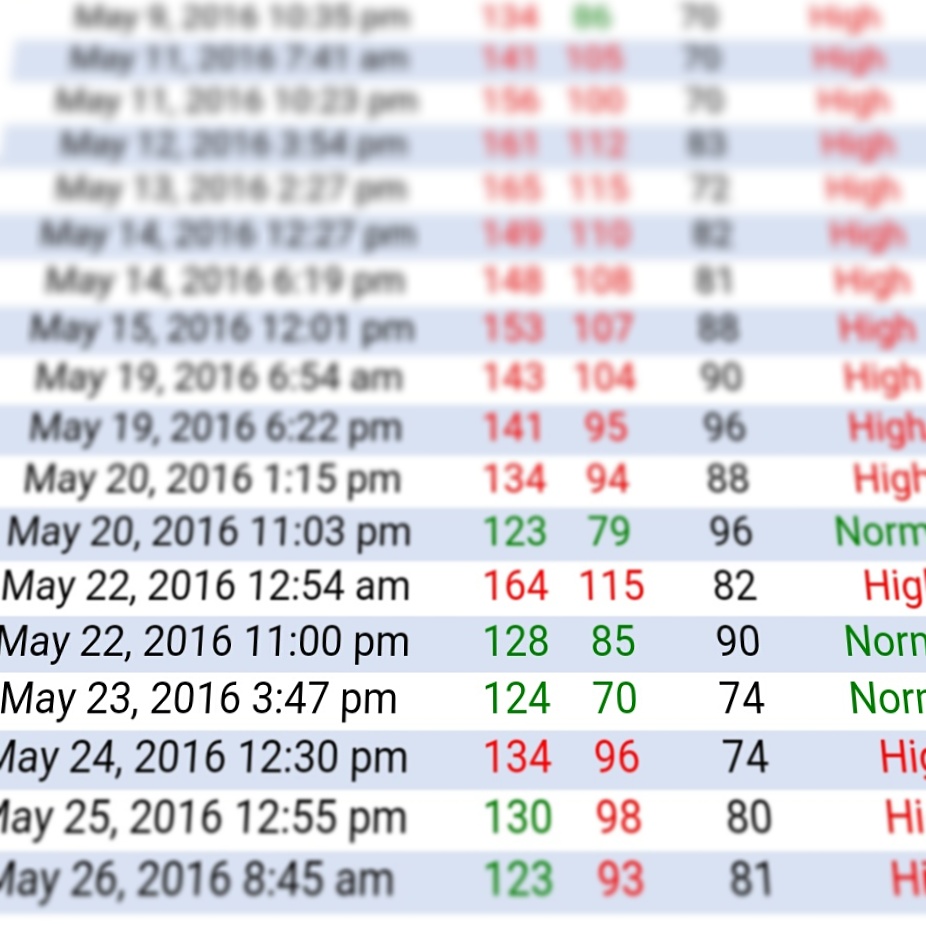
Ten days later and so far (touch wood) the indescribably severe itching that landed me in the hospital out of hours has stopped,  I’m not ‘passed out’ for 18 hours a day,  I’m no longer vomiting randomly and fairly frequently, and my BP meds now have a fair chance to work instead of being overwhelmed by the Arava. Hence my excitement at my BP slowly but surely dropping to near normal most days this week!

image

Anyone with knowledge of RD is aware that we are at much higher risk of heart disease, so keeping my blood pressure on an even keel is really, really important.

As with all DMARD’s what works fabulously for one does nothing for another,  I know people who swear by Arava and that’s fabulous.  I was on it for just over six weeks, and while I appreciate that was early days I felt no benefit.  However it definitely didn’t agree with me to the extent that I was not prepared to give it longer just in case. Unfortunately we are still at a stage where we must trial each med like Guinea pigs,  waiting out both the RD activity and the side effects for up to four months before knowing if this is the med for us.  When you consider that with dmards and biologics there are over fifteen meds to try, some of which work better in combination, that can involve a lot of waiting!

Where I go next is a conversation with my rheumatologist, I’m slightly apprehensive as I’ve now tried all the basic dmards and the next step up is biologics.  I’m not nervous of taking them, I’m more concerned that for one reason or another I won’t meet the UK criteria.  I have RF+ RD,  I’m in constant pain, suffer intense fatigue, daily stiffness, I have ultrasound evidence of active disease, but I don’t always get the obvious swelling and my bloods often bear little resemblance to my disease activity/how I’m feeling.  And of course the only reason the strict criteria is in place is cost! As they say in the papers…. Watch this space!

Flying the Spoonie Way ♿✈♿

I’m in beautiful Cyprus at the moment staying with family, and someone asked about how I found the flight now I have RA and Fibromyalgia with mobility issues. I’ll share my tips as it’s absolutely doable, it just takes a little thought and planning, especially if like me you travel alone.

1. Use Airport assistance ♿ – it’s free of charge and I couldn’t travel without it.  You get transported in a wheelchair right through airports both ways.  An absolute must, it saves spoons and keeps pain levels down.

2. Book extra legroom seats. Worth the few extra pennies,  it does make a massive difference to how much you can wriggle and stretch, very important if you don’t want to arrive as stiff as a board!

3. Hydrate.  Lots.  Water is your friend on a plane – that actually applies to anyone – alcohol is so dehydrating.

4.  Face mask.  Yes, you probably look a little nuts, but when you have a suppressed immune system you do not want recycled germs. Planes are the worst. I always wear one when I fly – paper ones like dentists have, cheap as chips. Pop on some shades too & look mysterious 😉

5. Neck pillow.  I have an inflatable one, my neck is affected by RA and it saves so much pain, even if you don’t sleep it helps you support your head. I always book a window seat so I can ‘lean’ and get comfortable.

6. Meds bag.  I have a large multi zipped handbag I use to transport my meds – never put them in the hold, always carry on.  Take everything in original packaging with prescription labels attached,  it saved me a lot of odd questions on a complete bag search last time! I include meds, BP monitor, tissues, voltarol gel, pain relief etc.  Only thing that goes in the hold is oxycodone as it’s liquid. You can get notes from GP to allow you to carry on but this was just easier.

7. Give yourself permission right now to have “rest days” whilst your away.  It’s really,  really easy to overdo it, and then you end up spoiling days on end. Let your schedule be as flexible as it can be,  it’s better value to fully enjoy 11 days out of 14 rather go all out and miss half the holiday.

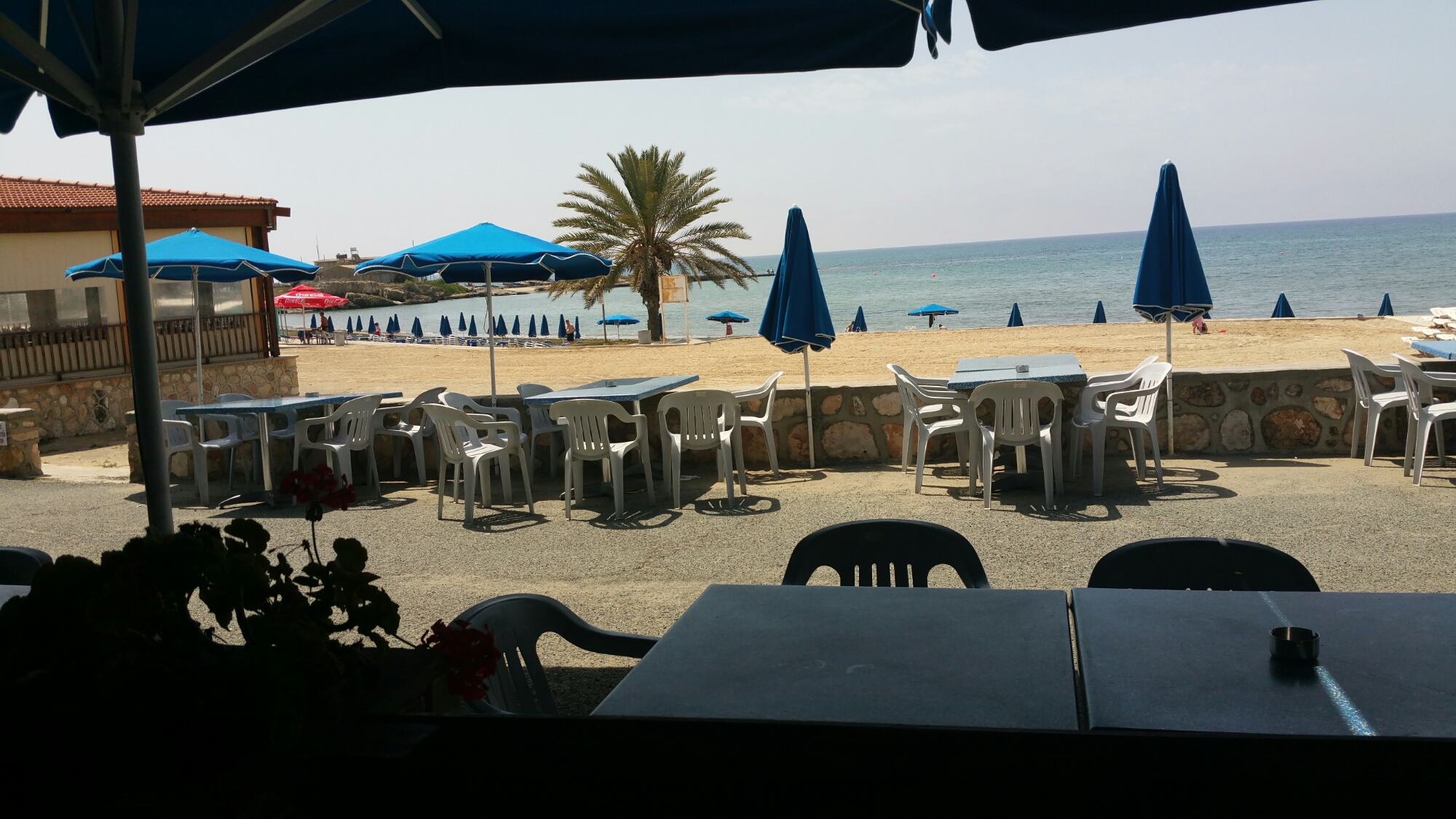
I’m in Cyprus staying with family, and I know I will spend tomorrow on the sofa because I’ve had two fabulous but exhausting days with my nieces/nephew.  They go back to school tomorrow so I can rest :mrgreen:

image

It’s very important not to guilt trip yourself into a painful flare,  by pacing and resting you will relax properly and enjoy more of your holidays – after all that’s what they’re for!

Happy Holidays!

Flying the Spoonie Way!

I’m in beautiful Cyprus at the moment staying with family, and someone asked about how I found the flight now I have RA and Fibromyalgia with mobility issues. I’ll share my tips as it’s absolutely doable, it just takes a little thought and planning, especially if like me you travel alone.

1. Use Airport assistance ♿ – it’s free of charge and I couldn’t travel without it.  You get transported in a wheelchair right through airports both ways.  An absolute must, it saves spoons and keeps pain levels down.

2. Book extra legroom seats. Worth the few extra pennies,  it does make a massive difference to how much you can wriggle and stretch, very important if you don’t want to arrive as stiff as a board!

3. Hydrate.  Lots.  Water is your friend on a plane – that actually applies to anyone – alcohol is so dehydrating.

4.  Face mask.  Yes, you probably look a little nuts, but when you have a suppressed immune system you do not want recycled germs. Planes are the worst. I always wear one when I fly – paper ones like dentists have, cheap as chips. Pop on some shades too & look mysterious 😉

5. Neck pillow.  I have an inflatable one, my neck is affected by RA and it saves so much pain, even if you don’t sleep it helps you support your head. I always book a window seat so I can ‘lean’ and get comfortable.

6. Meds bag.  I have a large multi zipped handbag I use to transport my meds – never put them in the hold, always carry on.  Take everything in original packaging with prescription labels attached,  it saved me a lot of odd questions on a complete bag search last time! I include meds, BP monitor, tissues, voltarol gel, pain relief etc.  Only thing that goes in the hold is oxycodone as it’s liquid. You can get notes from GP to allow you to carry on but this was just easier.

7. Give yourself permission right now to have “rest days” whilst your away.  It’s really,  really easy to overdo it, and then you end up spoiling days on end. Let your schedule be as flexible as it can be,  it’s better value to fully enjoy 11 days out of 14 rather go all out and miss half the holiday.

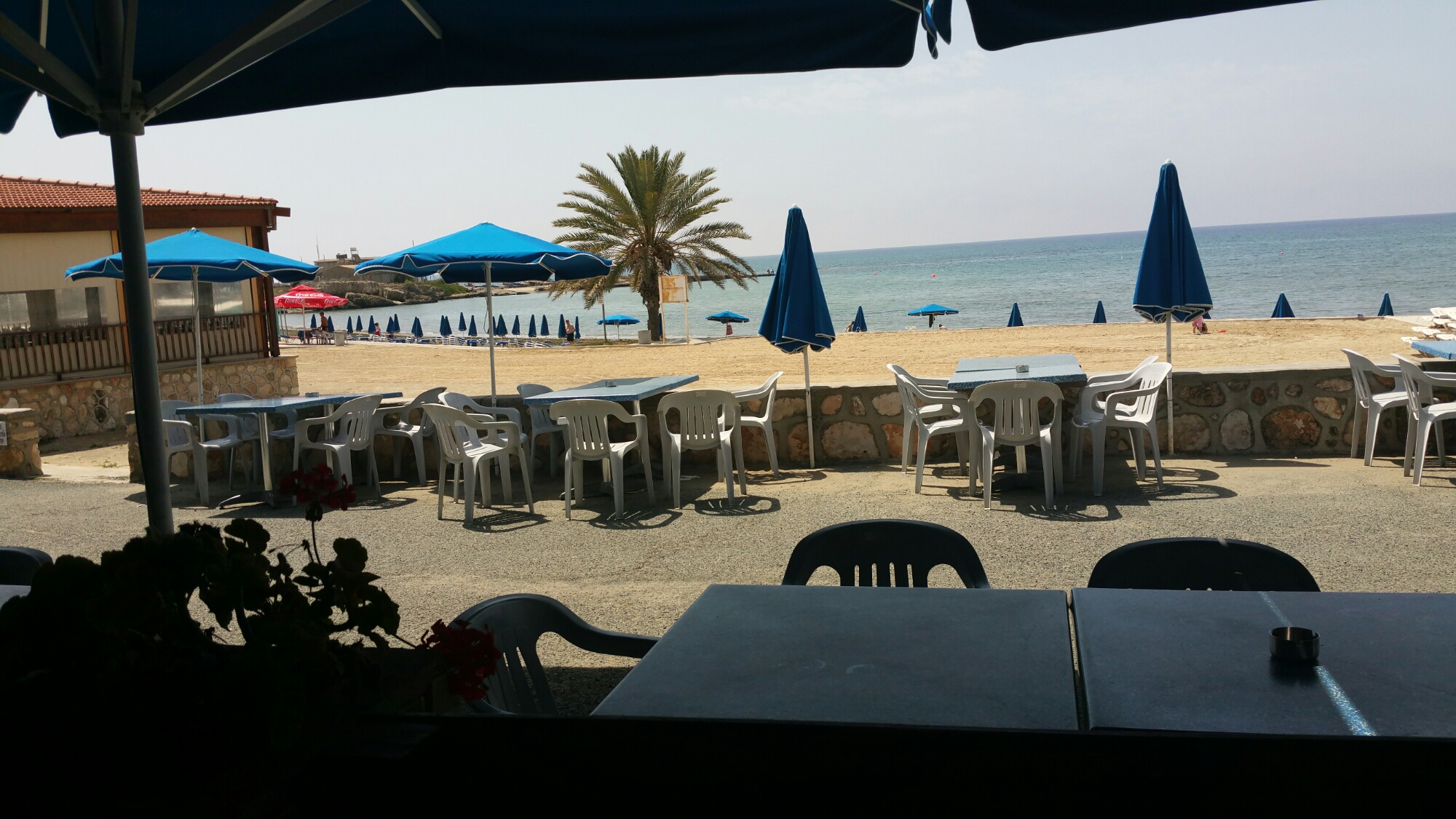
I’m in Cyprus staying with family, and I know I will spend tomorrow on the sofa because I’ve had two fabulous but exhausting days with my nieces/nephew.  They go back to school tomorrow so I can rest :mrgreen:

image

It’s very important not to guilt trip yourself into a painful flare,  by pacing and resting you will relax properly and enjoy more of your holidays – after all that’s what they’re for!

Happy Holidays!